

Quick thought: NFTs on Solana feel different. They’re fast, cheap, and kind of addictive once you get into the groove. If you’re coming from Ethereum, the transition can be jarring — in a good way. Phantom is the browser extension most folks use to manage Solana NFTs and tokens, and it’s worth understanding how it works, why it matters, and what to watch out for.
At its core, a wallet extension like Phantom gives your browser a secure place to store keys and sign transactions without running a full node. That means convenience — and also responsibility. One click can mint, list, or transfer an NFT. So, yeah: pay attention. If you want to download the extension during this read, click here.
Why Phantom? Because it bridges the gap between crypto-native UX and mainstream usability. It handles token balances, lets you connect to marketplaces (Magic Eden, SolSea, etc.), and supports hardware wallets for added security. My first few NFT buys on Solana were a tiny chaos — wrong network settings, mistaken approvals — but Phantom smoothed most of it out. Still, it’s not magic. You need to know a few core concepts first.
What’s an NFT Wallet Extension Actually Doing?
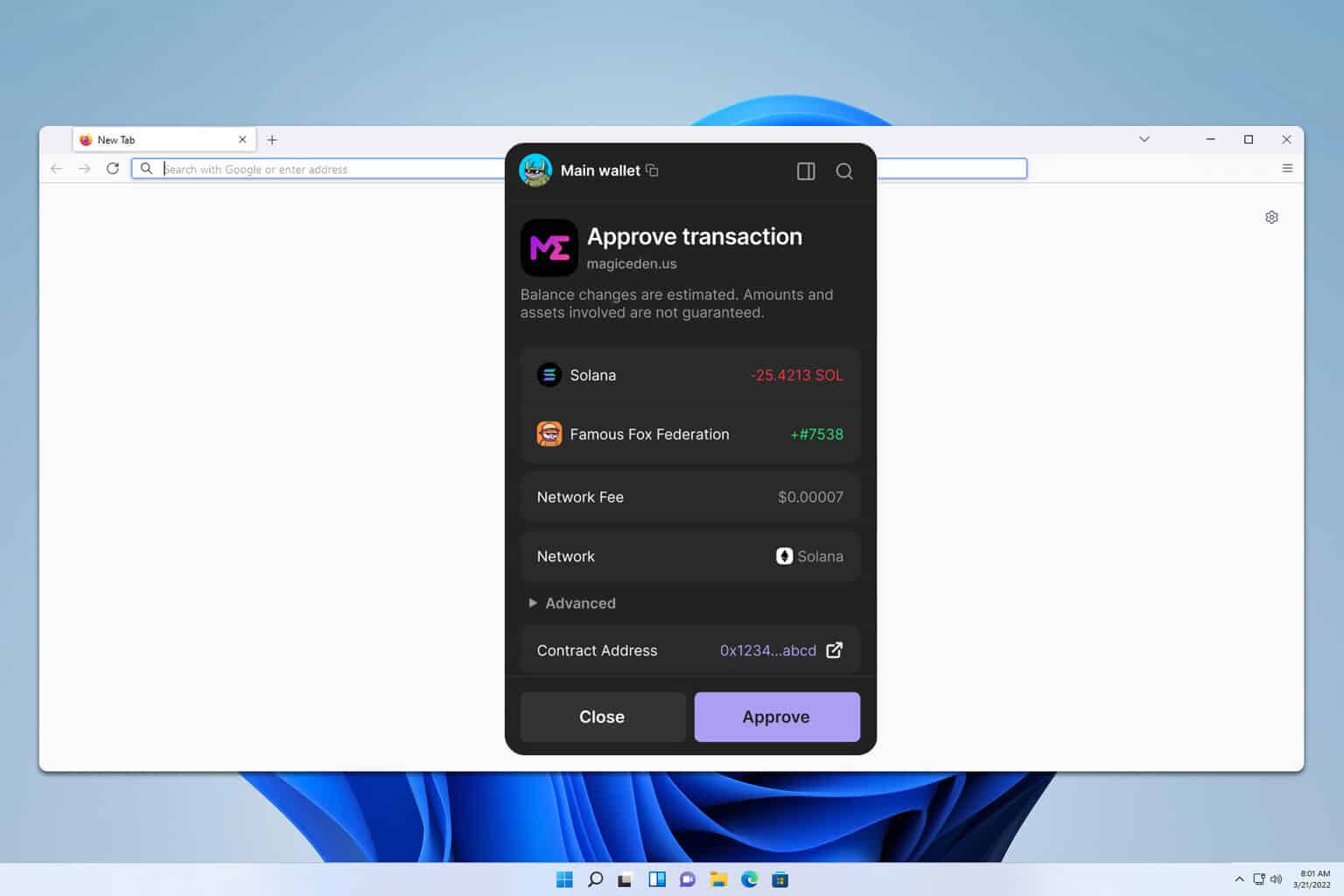
Think of the extension as a keyring that plugs into your browser. It stores your private keys locally (encrypted), offers a UI to manage assets, and pops up a permission dialog whenever a dApp requests a signature. That’s the moment where you either approve a safe action or accidentally sign away something valuable. So: slow down at prompts.
Phantom simplifies common tasks: sending SOL, swapping tokens, viewing NFTs, and connecting to DApps. It also supports multiple accounts, so you can separate long-term holds from trading funds. That part is handy — I use different accounts for collections versus day-to-day spending. It keeps things tidy and reduces risk.
Security note: Phantom requests permissions from the sites you visit, but those permissions aren’t infinite. Still, some malicious sites will try to trick you into signing messages that give them control. Always read the signature details. Seriously. It takes two extra seconds and can save you a lot.
Installation & Initial Setup — Practical Steps
Download only from trusted sources. After installing, Phantom will show you a seed phrase — a list of words that unlocks your wallet. Write that down offline. Paper is fine. No screenshots. No cloud notes. If someone gets that phrase, they get your funds. This is basic, but people forget it when excited about a drop.
During setup you’ll pick a password for the extension UI. That guards the extension on your device but not against phishing or someone with your seed phrase. Connect hardware wallets (like Ledger) if you plan to hold high-value NFTs long-term. It’s an extra step, but worth it.
One practical tip: create a “watch” account for exploring new collections. It lets you inspect NFTs without exposing your main funds. I still do this — it’s saved me from a few clumsy mistakes.
Using Phantom with NFT Marketplaces
Connecting Phantom to a marketplace is usually straightforward — click “Connect Wallet,” choose Phantom, confirm in the popup. But here’s where nuance matters: the prompts you see differ. A simple signature to verify ownership is fine. A transaction to transfer an asset is not. Watch for “Approve all” or “Unlimited” approvals; those are red flags.
Also, check contract addresses when possible. On Solana, many projects are straightforward, but copycats exist. If something looks off — pause, research, and ask in community channels before signing. Oh, and by the way, some marketplaces will ask for a small SOL fee to cover network costs. That’s normal.
Common Pitfalls and How to Avoid Them
Phishing is the main hazard. Fake sites or malicious browser extensions can mimic legitimate marketplaces or wallets. Double- and triple-check URLs, browser extension permissions, and social links. If an offer seems too good — like a free mint for an unknown collection — your gut might be right: be cautious.
Another trap: token approvals. You might approve a marketplace or app to manage a specific token, but unlimited approvals give long-term access. Revoke unnecessary approvals periodically using on-chain explorers or wallet tools. It’s a bit annoying, but less annoying than losing an NFT.
Performance note: Solana is fast, but congestion can raise fees briefly. If a transaction stalls, don’t repeatedly resubmit without checking network status. Sometimes patience is the best move.
FAQ
Is Phantom safe for storing high-value NFTs?
Yes, with caveats. Use a hardware wallet for the most valuable assets, keep seed phrases offline, and never reuse your main account for risky dApp interactions. Phantom supports Ledger, which adds a strong layer of protection.
What should I do if I suspect a phishing attempt?
Disconnect your wallet from the site immediately, revoke any approvals, and move assets to a new wallet if your seed phrase may be compromised. Report the phishing site to the marketplace and community channels so others don’t fall for it.
Can I recover my Phantom wallet if I lose my device?
Yes — with your seed phrase. Entering that phrase into a new Phantom install (or compatible wallet) restores access. If you lose the seed phrase, recovery isn’t possible, so guard it carefully.
